Rudbeckia Autumn Forest
Rudbeckia 'Autumn Forest' Seeds
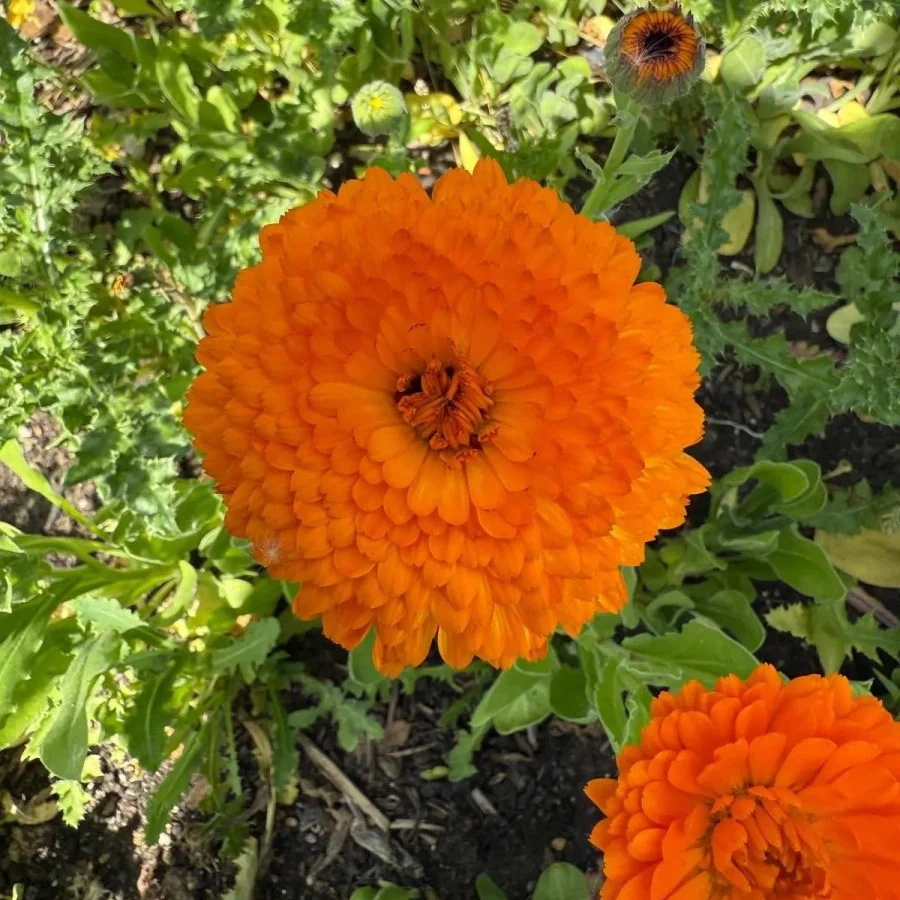
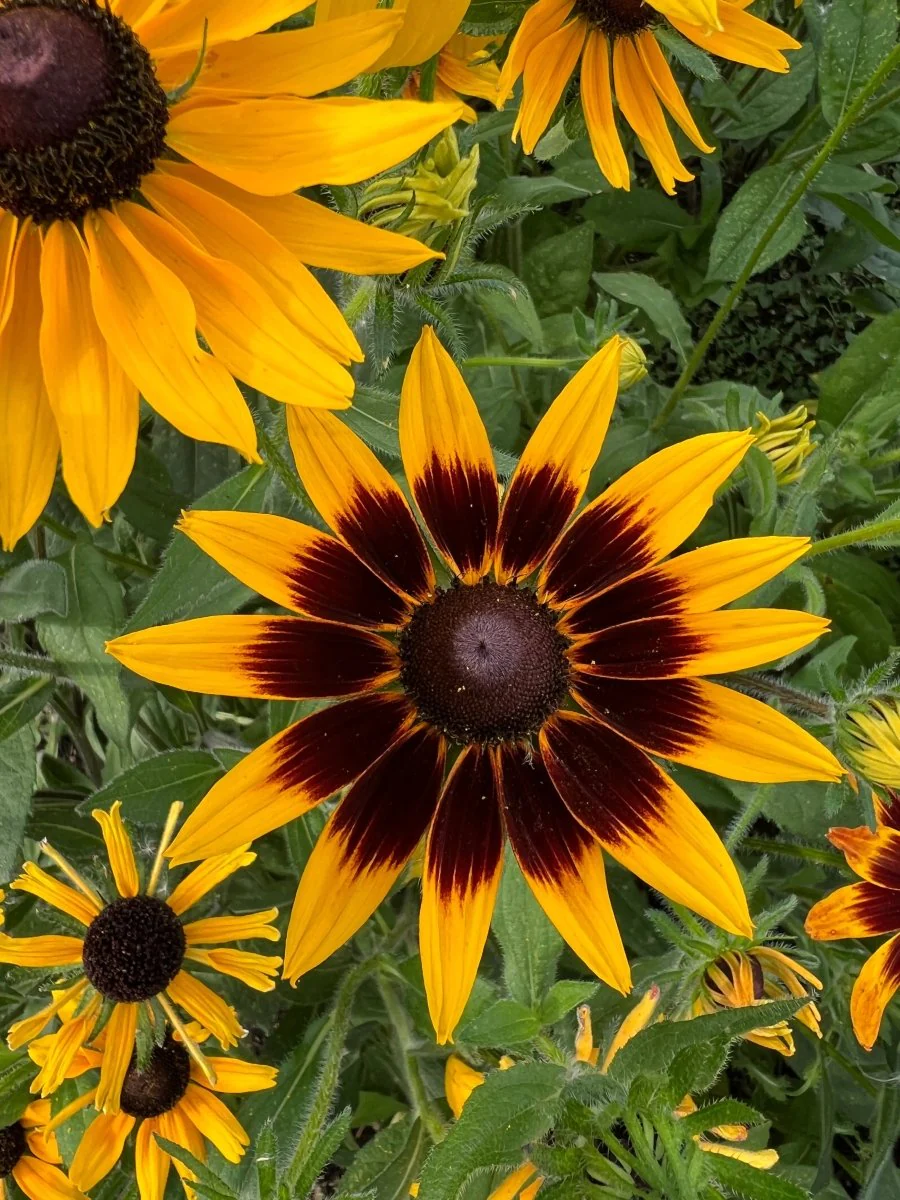
While most Black-eyed Susans are pure yellow, 'Autumn Forest' introduces a richer, deeper palette to the late summer garden. It produces massive, 10-12cm wide blooms in varying shades of burnt orange, deep mahogany, copper, and golden yellow, often with a dark chocolate ring around the central cone. This is a plant of substance.
Standing tall on strong, branching stems (approx 60cm), it is robust enough to withstand autumnal winds without flopping. It is the ultimate bridge plant, carrying your garden effortlessly from the high heat of August into the cooler, golden days of October and November.
Read More
🌿 Understanding the Plant
Rudbeckia hirta 'Autumn Forest' is a Half-Hardy Annual (H3). While it can occasionally act as a short-lived perennial in very sheltered UK spots, it is best grown as an annual for the most vibrant and reliable autumn display.
Weather Resistance: Unlike many late-season flowers, the petals of 'Autumn Forest' are thick and waxy. This unique characteristic ensures the blooms do not turn to "mush" after heavy UK rain, maintaining their copper and mahogany brilliance even in unsettled weather.
Wildlife Impact: Officially recognised on the RHS Plants for Pollinators list, it provides high-quality nectar late in the season when many other sources have faded. The dried seed heads also provide a valuable winter food source for goldfinches.
🌱 Growing Guide
Rudbeckias are remarkably productive, but they require light to trigger germination and a warm start to ensure early flowering.
How to Sow:
Sow indoors from February to April. Surface sow the seeds onto moist compost—do not cover the seeds as they require light to germinate. A fine dusting of vermiculite can be used, but light must still reach the seed. Maintain a temperature of 20°C; seedlings typically appear in 10-14 days.
Where to Plant:
Plant out in June once all risk of frost has passed. They demand full sun and thrive in rich, moisture-retentive soil. Dig in organic matter before planting to help the soil hold onto water during the peak of summer.
Ongoing Care:
Protect young seedlings from slugs immediately after planting. Once established, they are very robust. Deadhead faded blooms regularly or cut stems for the vase to encourage a continuous supply of flowers right up until the first hard winter frosts in November.
📋 Plant Specifications
| Botanical Name | Rudbeckia hirta 'Autumn Forest' |
| Common Name | Black-eyed Susan |
| Plant Type | Half-Hardy Annual |
| Hardiness | H3 (Protect from frost) |
| Light Requirements | Full Sun ☀️ |
| Height | 50cm - 60cm |
| Spread | 40cm |
| Spacing | Plant 30cm apart |
| Flowering Period | July to November |
| Seeds per Packet | Approximately 500 seeds |
🤝 Beautiful Garden Combinations
The copper and mahogany tones of 'Autumn Forest' are a designer's secret for creating late-summer heat:
- 🔵 Echinops 'Metallic Blue': The Texture Clash. The spiky, steel-blue spheres of the Globe Thistle provide a cool, metallic contrast to the warm, velvety petals of the Rudbeckia. It’s a high-impact late summer pairing.
- 💜 Verbena Bonariensis : The Height Contrast. The tall, airy purple stems of Verbena float above the chunky daisy heads of 'Autumn Forest'. The purple-and-gold combination is a quintessential late summer palette.
📅 Sowing & Flowering Calendar
Sow indoors in spring for a fiery display from mid-summer until the first frosts.
🏆 RHS Plants for Pollinators
Rudbeckia 'Autumn Forest' is listed on the RHS Plants for Pollinators list. Its open daisy structure and late flowering period make it a crucial energy source for bees preparing for winter hibernation.
Product Information
Product Information
Shipping & Returns
Shipping & Returns
Description
Rudbeckia 'Autumn Forest' Seeds
While most Black-eyed Susans are pure yellow, 'Autumn Forest' introduces a richer, deeper palette to the late summer garden. It produces massive, 10-12cm wide blooms in varying shades of burnt orange, deep mahogany, copper, and golden yellow, often with a dark chocolate ring around the central cone. This is a plant of substance.
Standing tall on strong, branching stems (approx 60cm), it is robust enough to withstand autumnal winds without flopping. It is the ultimate bridge plant, carrying your garden effortlessly from the high heat of August into the cooler, golden days of October and November.
Read More
🌿 Understanding the Plant
Rudbeckia hirta 'Autumn Forest' is a Half-Hardy Annual (H3). While it can occasionally act as a short-lived perennial in very sheltered UK spots, it is best grown as an annual for the most vibrant and reliable autumn display.
Weather Resistance: Unlike many late-season flowers, the petals of 'Autumn Forest' are thick and waxy. This unique characteristic ensures the blooms do not turn to "mush" after heavy UK rain, maintaining their copper and mahogany brilliance even in unsettled weather.
Wildlife Impact: Officially recognised on the RHS Plants for Pollinators list, it provides high-quality nectar late in the season when many other sources have faded. The dried seed heads also provide a valuable winter food source for goldfinches.
🌱 Growing Guide
Rudbeckias are remarkably productive, but they require light to trigger germination and a warm start to ensure early flowering.
How to Sow:
Sow indoors from February to April. Surface sow the seeds onto moist compost—do not cover the seeds as they require light to germinate. A fine dusting of vermiculite can be used, but light must still reach the seed. Maintain a temperature of 20°C; seedlings typically appear in 10-14 days.
Where to Plant:
Plant out in June once all risk of frost has passed. They demand full sun and thrive in rich, moisture-retentive soil. Dig in organic matter before planting to help the soil hold onto water during the peak of summer.
Ongoing Care:
Protect young seedlings from slugs immediately after planting. Once established, they are very robust. Deadhead faded blooms regularly or cut stems for the vase to encourage a continuous supply of flowers right up until the first hard winter frosts in November.
📋 Plant Specifications
| Botanical Name | Rudbeckia hirta 'Autumn Forest' |
| Common Name | Black-eyed Susan |
| Plant Type | Half-Hardy Annual |
| Hardiness | H3 (Protect from frost) |
| Light Requirements | Full Sun ☀️ |
| Height | 50cm - 60cm |
| Spread | 40cm |
| Spacing | Plant 30cm apart |
| Flowering Period | July to November |
| Seeds per Packet | Approximately 500 seeds |
🤝 Beautiful Garden Combinations
The copper and mahogany tones of 'Autumn Forest' are a designer's secret for creating late-summer heat:
- 🔵 Echinops 'Metallic Blue': The Texture Clash. The spiky, steel-blue spheres of the Globe Thistle provide a cool, metallic contrast to the warm, velvety petals of the Rudbeckia. It’s a high-impact late summer pairing.
- 💜 Verbena Bonariensis : The Height Contrast. The tall, airy purple stems of Verbena float above the chunky daisy heads of 'Autumn Forest'. The purple-and-gold combination is a quintessential late summer palette.
📅 Sowing & Flowering Calendar
Sow indoors in spring for a fiery display from mid-summer until the first frosts.
🏆 RHS Plants for Pollinators
Rudbeckia 'Autumn Forest' is listed on the RHS Plants for Pollinators list. Its open daisy structure and late flowering period make it a crucial energy source for bees preparing for winter hibernation.