Poppy Flanders Red
Poppy 'Flanders Red' Seeds
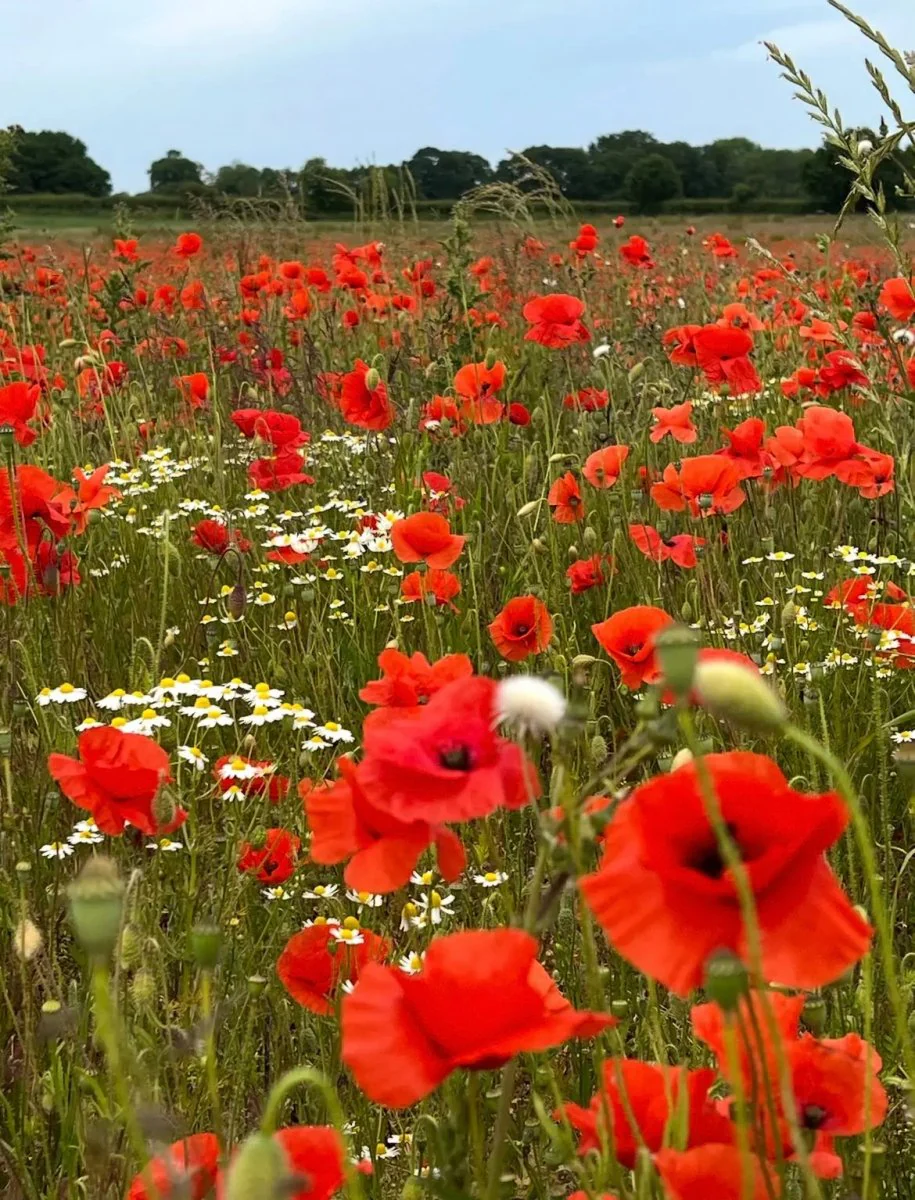
The Flanders Poppy (or Corn Poppy) needs no introduction. It produces delicate, paper-thin cups of vibrant scarlet red, often with a black blotch at the base, fluttering on tall, hairy, wiry stems. It is the defining image of the British countryside and the enduring symbol of Remembrance.
This is a plant of simple, fleeting beauty. Each flower lasts only a day, but the plant produces them in such profusion that a patch will be a sea of red for weeks. It is the perfect "scatter and grow" seed, turning bare earth into a buzzing, vibrant habitat for bees and hoverflies in record time.
Read More
🌿 Understanding the Plant
Papaver rhoeas is a Native Hardy Annual (H7). It completes its entire life cycle in one season, but its seeds are masters of survival. Famously known as a pioneer plant, it thrives in "disturbed" soil, a trait that saw it bloom across the battlefields of Europe.
The Self-Seeder: If you allow the "pepper pot" seed heads to dry and remain on the plant, they will naturally shake out thousands of tiny seeds. These can lie dormant in the UK soil for decades, waiting for the ground to be turned over to spring back into life.
Pollinator Essential: A staple on the RHS Plants for Pollinators list, poppies provide an abundance of pollen. While they don't produce nectar, they are a vital resource for bees and hoverflies during the height of the British summer.
🌱 Growing Guide
Poppies are incredibly easy to grow provided you follow one golden rule: Do not bury the seeds. They require light to trigger germination.
How to Sow:
Sow directly outdoors in March to May for summer flowers, or in August to September to allow plants to establish for an earlier display the following year. Rake the soil to a fine, crumbly tilth. Scatter the seeds thinly on the surface and simply walk over the area to press them into the soil.
Where to Plant:
They demand full sun and thrive in almost any well-drained soil, including poor, sandy, or chalky ground. They hate competition, so ensure the area is cleared of aggressive weeds or thick grass before scattering.
Ongoing Care:
If seedlings emerge too thickly, thin them to about 20cm apart to encourage bushy, multi-stemmed plants. Once established, they are very drought-tolerant. Deadhead the first few spent blooms to prolong the flowering season, but leave the later heads if you wish for them to self-sow for next year.
📋 Plant Specifications
| Botanical Name | Papaver rhoeas |
| Common Name | Flanders Poppy / Corn Poppy |
| Plant Type | Hardy Annual |
| Hardiness | H7 (Ultra Hardy) |
| Light Requirements | Full Sun ☀️ |
| Height | 60cm - 75cm |
| Spread | 30cm |
| Spacing | Scatter or thin to 20cm |
| Flowering Period | June to August |
| Perfect For | 🐝 Bees & Hoverflies 🌾 Wildflower Meadows 🧱 Poor Soil 🎖️ Remembrance |
| Seeds per Packet | Approximately 700 seeds |
🤝 Beautiful Garden Combinations
Recreate the iconic "Cornfield Meadow" look by pairing your poppies with these traditional UK friends:
- 🔵 Cornflower 'Blue Ball' : The Red & Blue Classic. The electric blue of Cornflowers provides the perfect structural and colour contrast to the scarlet poppy cups.
- 🌼 Oxeye Daisy: The Meadow Trio. Adding white daisies creates a soft, natural tapestry that looks like a slice of the British countryside has been transported to your garden.
📅 Sowing & Flowering Calendar
Sow in spring for summer blooms, or autumn for an early start next year.
🎖️ Symbol of Remembrance
The Flanders poppy became a powerful symbol of hope and remembrance following the First World War. By planting these, you are cultivating a piece of living history that continues to support our pollinators today.
🏆 RHS Plants for Pollinators
Papaver rhoeas is listed on the RHS Plants for Pollinators list. Its bright blooms are a magnet for bees, providing a high-protein pollen source that is essential for colony health in mid-summer.
Product Information
Product Information
Shipping & Returns
Shipping & Returns
Description
Poppy 'Flanders Red' Seeds
The Flanders Poppy (or Corn Poppy) needs no introduction. It produces delicate, paper-thin cups of vibrant scarlet red, often with a black blotch at the base, fluttering on tall, hairy, wiry stems. It is the defining image of the British countryside and the enduring symbol of Remembrance.
This is a plant of simple, fleeting beauty. Each flower lasts only a day, but the plant produces them in such profusion that a patch will be a sea of red for weeks. It is the perfect "scatter and grow" seed, turning bare earth into a buzzing, vibrant habitat for bees and hoverflies in record time.
Read More
🌿 Understanding the Plant
Papaver rhoeas is a Native Hardy Annual (H7). It completes its entire life cycle in one season, but its seeds are masters of survival. Famously known as a pioneer plant, it thrives in "disturbed" soil, a trait that saw it bloom across the battlefields of Europe.
The Self-Seeder: If you allow the "pepper pot" seed heads to dry and remain on the plant, they will naturally shake out thousands of tiny seeds. These can lie dormant in the UK soil for decades, waiting for the ground to be turned over to spring back into life.
Pollinator Essential: A staple on the RHS Plants for Pollinators list, poppies provide an abundance of pollen. While they don't produce nectar, they are a vital resource for bees and hoverflies during the height of the British summer.
🌱 Growing Guide
Poppies are incredibly easy to grow provided you follow one golden rule: Do not bury the seeds. They require light to trigger germination.
How to Sow:
Sow directly outdoors in March to May for summer flowers, or in August to September to allow plants to establish for an earlier display the following year. Rake the soil to a fine, crumbly tilth. Scatter the seeds thinly on the surface and simply walk over the area to press them into the soil.
Where to Plant:
They demand full sun and thrive in almost any well-drained soil, including poor, sandy, or chalky ground. They hate competition, so ensure the area is cleared of aggressive weeds or thick grass before scattering.
Ongoing Care:
If seedlings emerge too thickly, thin them to about 20cm apart to encourage bushy, multi-stemmed plants. Once established, they are very drought-tolerant. Deadhead the first few spent blooms to prolong the flowering season, but leave the later heads if you wish for them to self-sow for next year.
📋 Plant Specifications
| Botanical Name | Papaver rhoeas |
| Common Name | Flanders Poppy / Corn Poppy |
| Plant Type | Hardy Annual |
| Hardiness | H7 (Ultra Hardy) |
| Light Requirements | Full Sun ☀️ |
| Height | 60cm - 75cm |
| Spread | 30cm |
| Spacing | Scatter or thin to 20cm |
| Flowering Period | June to August |
| Perfect For | 🐝 Bees & Hoverflies 🌾 Wildflower Meadows 🧱 Poor Soil 🎖️ Remembrance |
| Seeds per Packet | Approximately 700 seeds |
🤝 Beautiful Garden Combinations
Recreate the iconic "Cornfield Meadow" look by pairing your poppies with these traditional UK friends:
- 🔵 Cornflower 'Blue Ball' : The Red & Blue Classic. The electric blue of Cornflowers provides the perfect structural and colour contrast to the scarlet poppy cups.
- 🌼 Oxeye Daisy: The Meadow Trio. Adding white daisies creates a soft, natural tapestry that looks like a slice of the British countryside has been transported to your garden.
📅 Sowing & Flowering Calendar
Sow in spring for summer blooms, or autumn for an early start next year.
🎖️ Symbol of Remembrance
The Flanders poppy became a powerful symbol of hope and remembrance following the First World War. By planting these, you are cultivating a piece of living history that continues to support our pollinators today.
🏆 RHS Plants for Pollinators
Papaver rhoeas is listed on the RHS Plants for Pollinators list. Its bright blooms are a magnet for bees, providing a high-protein pollen source that is essential for colony health in mid-summer.